Blog

  • From Cash to Continuity: Thinking Clearly About Real Assets

    Photo by David McBee on Pexels.com

    Why This Reflection Exists

    This is a general discussion about how to think clearly about assets in an uncertain world. It is not a record of personal holdings, purchases, or transactions. It is an attempt to step away from noise and return to first principles.

    In times of inflation, currency volatility, and constant financial commentary, the hardest task is not finding opportunities — it is avoiding bad decisions made under pressure.


    The Question Most People Skip

    Instead of asking “What will go up fastest?”, a more useful question is:

    “What will still matter if conditions worsen?”

    That question shifts the focus from excitement to durability, from prediction to resilience.


    What Makes an Asset ‘Real’

    A real asset is not defined by returns or trends. It is defined by independence.

    A useful mental test is simple:

    • If systems fail, does it still exist?
    • If rules change, does it still retain meaning?
    • If access to apps, platforms, or intermediaries disappears, does its value vanish?

    Assets that pass these tests form the foundation of long‑term stability.


    The Role of Physical Assets (Conceptually)

    Photo by Michael Steinberg on Pexels.com

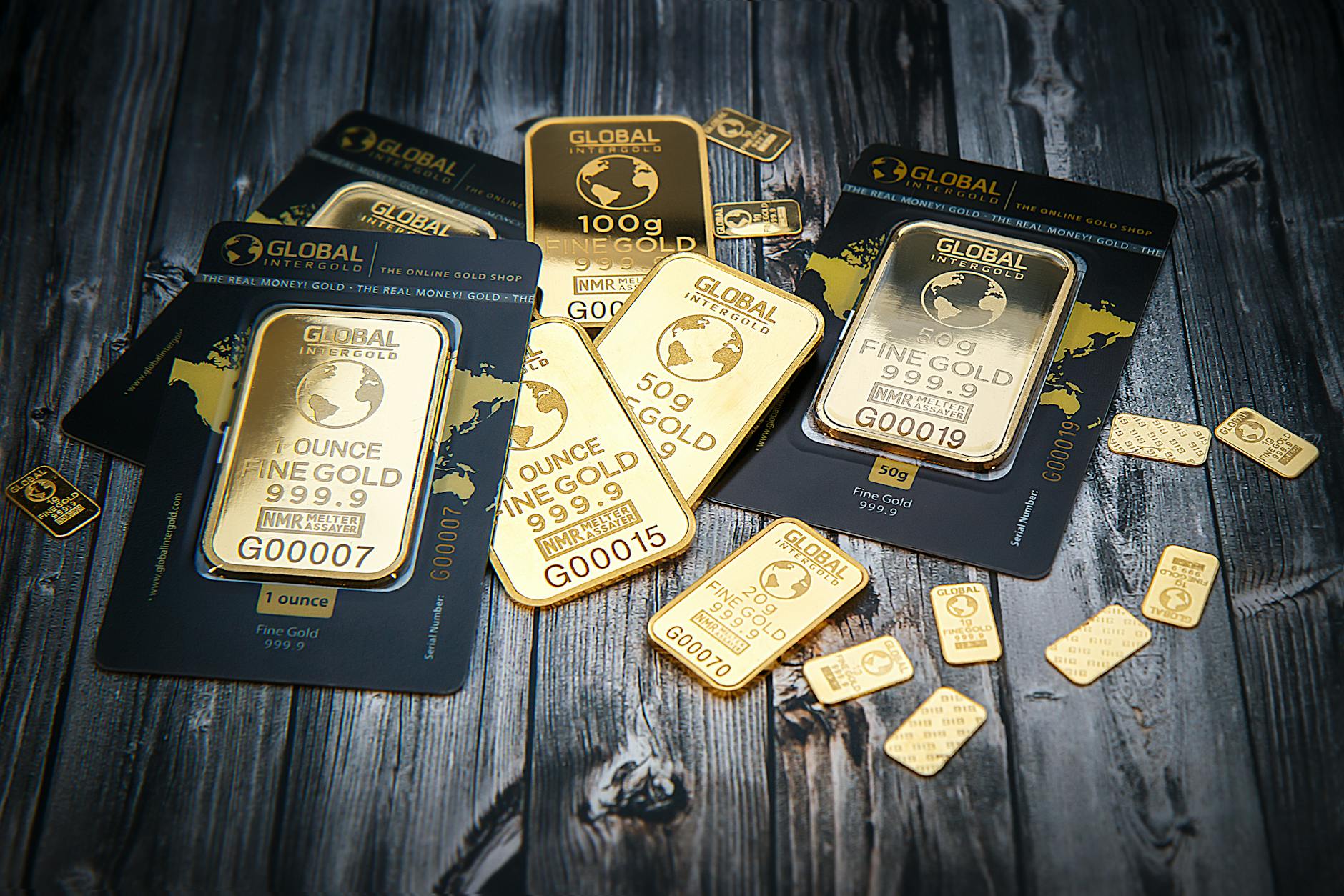
    Across history, certain physical assets have repeatedly served as anchors during uncertainty. Their value lies not in growth but in continuity.

    Such assets tend to share common characteristics:

    • They do not rely on counterparties
    • They are widely recognised
    • They are portable and divisible
    • They do not require constant management

    Their purpose is defensive, not speculative.


    Why Boring Usually Wins

    Modern finance is built around stimulation: charts, alerts, narratives, urgency. Yet the assets that perform their role best are usually boring.

    Boring assets:

    • Reduce decision fatigue
    • Lower emotional involvement
    • Do not demand attention

    If an asset requires constant monitoring to feel comfortable, it is likely increasing risk rather than reducing it.


    Sequencing Matters More Than Selection

    One of the most common mistakes in asset decisions is poor sequencing.

    Before consolidation comes flexibility. Before scale comes control. Before complexity comes simplicity.

    Building in the wrong order creates pressure later, even if the individual choices seem reasonable.


    A Simple Ladder for Thinking

    As a conceptual framework (not an action list), asset decisions often work best when layered:

    1. Preservation layer — assets whose job is to protect purchasing power
    2. Flexibility layer — assets that can be adjusted or partially exited
    3. Productive layer — assets that generate income or utility
    4. Optional layer — high‑risk or speculative ideas

    Problems arise when optional layers are treated as foundations.


    On Speculation vs Stability

    Speculative instruments can have a place, but only when clearly separated from foundational decisions.

    When speculative assets are expected to provide safety, stress increases. When they are treated as optional, their psychological cost drops significantly.

    Stability and excitement rarely coexist.


    The Value of Rules

    Clear rules reduce future friction.

    Rules remove the need to renegotiate decisions during moments of fear or excitement. They allow actions to age well, even when circumstances change.

    A good rule does not optimise returns; it optimises behaviour.


    The Real Outcome

    The most important outcome of a well‑structured asset philosophy is not financial.

    It is mental:

    • fewer reactive decisions
    • less comparison
    • more consistency

    When assets are doing their job quietly, attention can return to life, work, and family.


    Final Thought

    This is not about winning markets.

    It is about building continuity — decisions that remain sensible whether conditions improve or deteriorate.

    Assets are tools. The goal is not accumulation, but stability that allows a life to be lived with less pressure.


    This article discusses general principles of asset thinking. It does not describe personal holdings or transactions.

  • Home Essentials for a Peaceful Life: Beyond Furniture and Things

    Photo by Leyla Ku0131lu0131u00e7 on Pexels.com

    Most people think a good home means having the right furniture, appliances, and kitchen items. But once those basics are covered, something still often feels missing. The house is full, yet the heart sometimes feels empty.

    A home becomes truly alive when it supports peace, clarity, and connection — not just daily function.

    This guide is about the invisible essentials a home needs to feel like a sanctuary.


    1. Create a Gentle Daily Rhythm

    Life becomes calm when repeated patterns exist. Not strict routines, just a simple flow:

    • Wake up → drink water → pray → breathe or stretch for 2 minutes
    • Share a few words during breakfast
    • Work or study with purpose
    • In the evening, slow down — tea, family talk, quietness
    • Sleep at a consistent time

    When time is regular, the mind stops fighting itself.

    Rhythm is peace.


    2. Make a Calm Corner

    Every home needs one place that feels like a return to the soul.

    It doesn’t have to be a room. Even a small corner can hold peace:

    • A cushion or small chair
    • A soft light or lamp
    • A Quran or a book
    • No phone, no clutter

    This is where you sit when your mind feels heavy or overwhelmed — a safe space to come back to yourself.


    3. Protect Family Connection

    Connection doesn’t happen automatically. It must be built intentionally.

    Once a day, take 10 minutes together:

    • No phone
    • No TV
    • Just talk

    Ask:

    • What made you happy today?
    • What felt difficult?
    • What would you like tomorrow to feel like?

    This small practice shapes confident, emotionally strong children—and a warm home.


    4. Keep Food Simple and Nourishing

    A peaceful home has a simple kitchen rhythm:

    • One proper home-cooked meal daily
    • Light meals the rest of the day
    • Tea shared slowly
    • Avoid eating late at night

    Eating with gratitude nourishes more than the body — it nourishes the heart.


    5. Simplicity in Finances

    Money stress can destroy peace. But peace can return with simplicity:

    • Use one account for daily expenses
    • A second for saving (even small amounts matter)
    • Track expenses on just one notebook page

    Not to restrict life — but to stay awake inside it.


    6. A Weekly One-Hour Clean Reset

    Dedicate just one hour each week to refresh the home:

    • Change bedding
    • Clean bathroom surfaces
    • Remove unnecessary items from tables and counters

    A clean environment clears the mind.


    7. Set the House Culture

    Every home has a culture, whether chosen or accidental.

    Choose one intentionally:

    • Speak softly
    • No shouting
    • No backbiting
    • When someone is stressed → offer tea, not arguments
    • Honor each other’s silence

    A peaceful home is built moment by moment, word by word.


    8. Everyone Should Be Growing Slowly

    Growth doesn’t have to be fast. Just steady.

    • Parents: learning, building, reflecting
    • Children: reading, exploring, expressing
    • As a family: supporting and uplifting each other

    Progress is not measured in achievements — it’s measured in direction.


    9. Remember the Purpose

    A home is successful when it grows:

    • Peaceful hearts
    • Grateful minds
    • Honest character
    • A sense of closeness with Allah

    This is the true wealth of a household.

    Everything else is temporary.


    Final Thought

    The home is not the walls.
    The home is the atmosphere.
    The home is the hearts inside the walls.

    If we nurture peace, presence, and gentle care — the home becomes a garden of tranquility in a noisy world.

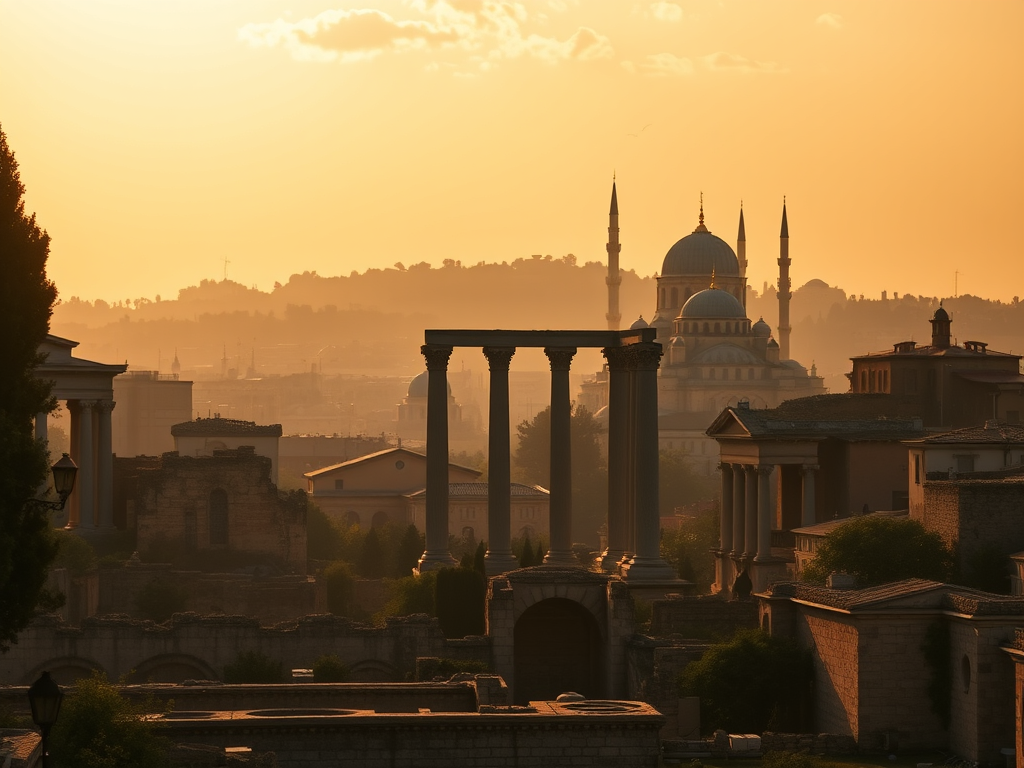
  • The Rise and Fall of Rome: Lessons for Modern Empires


    🌍 The Empire That Built the World

    The story of Rome is one of the most extraordinary journeys in human history — a small settlement in Italy that became the most powerful empire the world had ever seen.
    It built roads that still exist, wrote laws that inspired modern justice, and designed cities that remain models for urban life today.

    But like all great civilizations, Rome’s glory was not eternal. It fell not with a single battle, but through slow decay — weakened by corruption, overexpansion, and moral decline.


    ⚖️ Rome Before Islam

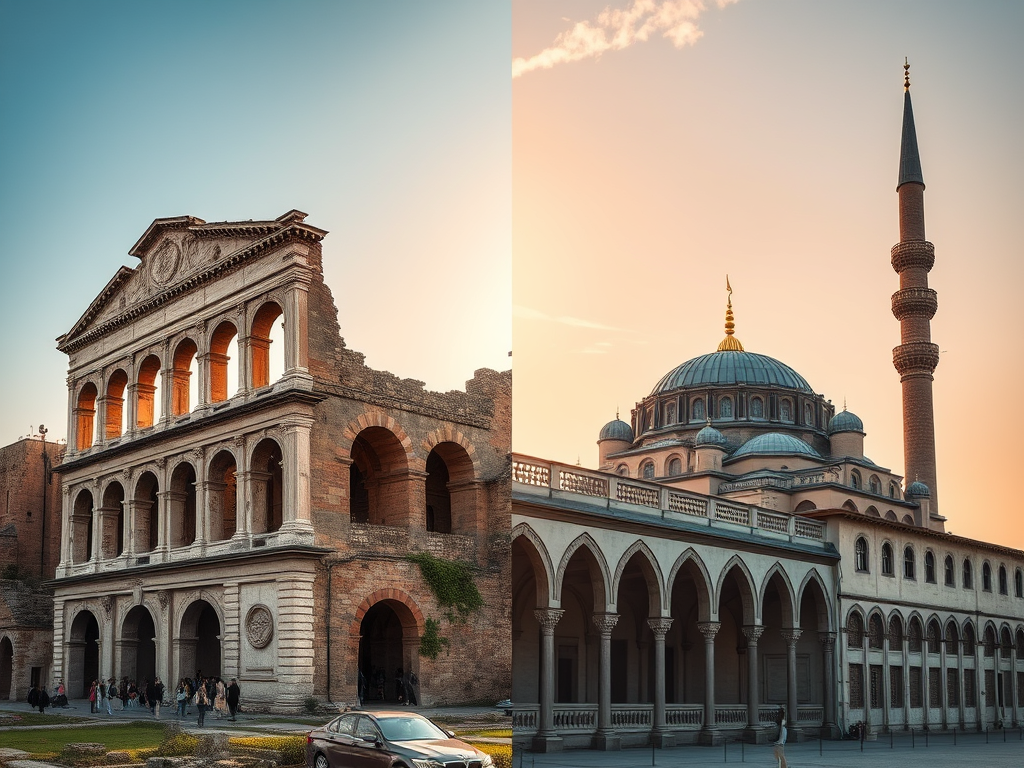
    By 476 AD, the Western Roman Empire had already collapsed. Yet its twin — the Eastern Roman Empire, also called the Byzantine Empire — lived on from its capital Constantinople (modern-day Istanbul).
    It continued Roman traditions for another thousand years, ruling lands that stretched from Greece to Egypt.

    So when Islam emerged in 610 AD, the Byzantines were still a global superpower.


    ⚔️ The Rise of Islam and the Clash with Rome

    When the Prophet Muhammad (peace be upon him) began spreading the message of Islam, two empires dominated the known world: the Romans (Byzantines) in the west, and the Persians in the east.

    After the Prophet’s passing, the early Muslim leaders — the Rashidun Caliphs — led with faith, unity, and justice. Within a few decades, their armies met the Romans in open battle.

    Major Turning Points:

    EventYearWhat Happened
    Battle of Yarmouk636 ADMuslims under Khalid ibn al-Walid (RA) defeated the Byzantines, gaining control over Syria and Palestine.
    Conquest of Egypt639–642 ADLed by Amr ibn al-As (RA), the Muslims took Egypt from Roman rule.
    North African Campaigns647–698 ADThe Muslims gradually took Libya, Tunisia, and the rest of North Africa.

    The Muslims didn’t destroy Rome — they succeeded it. They inherited the lands that the empire could no longer hold together.


    🏰 The Last Chapter — Fall of Constantinople

    The Eastern Roman (Byzantine) Empire survived for centuries longer, but it was finally brought to an end in 1453 AD.
    Sultan Mehmed II, known as Mehmed the Conqueror, led the Ottoman Muslims in capturing Constantinople after a 53-day siege.

    That moment ended over 2,200 years of Roman history — from the founding of Rome in 753 BC to the rise of Istanbul under Islam.


    💭 The Lesson of Two Civilizations

    The fall of Rome and the rise of Islam teach us a timeless truth:

    “Empires rise through discipline and justice — they fall through arrogance and moral decay.”

    Rome had everything the modern world has — advanced technology, comfort, and wealth — yet it lost its spiritual purpose.
    Islam, at its dawn, brought faith, equality, and unity — values that reshaped the world for centuries.


    ✨ Closing Reflection

    History doesn’t repeat itself — but it rhymes.
    The same forces that built and broke Rome — power, wealth, pride — still move our world today.
    Perhaps, like the Romans, we too must learn to balance progress with purpose.

  • Reflecting on the Layers of Empire: Mughals, the British, and the Subcontinent’s Complex Legacy

    Photo by Lara Jameson on Pexels.com

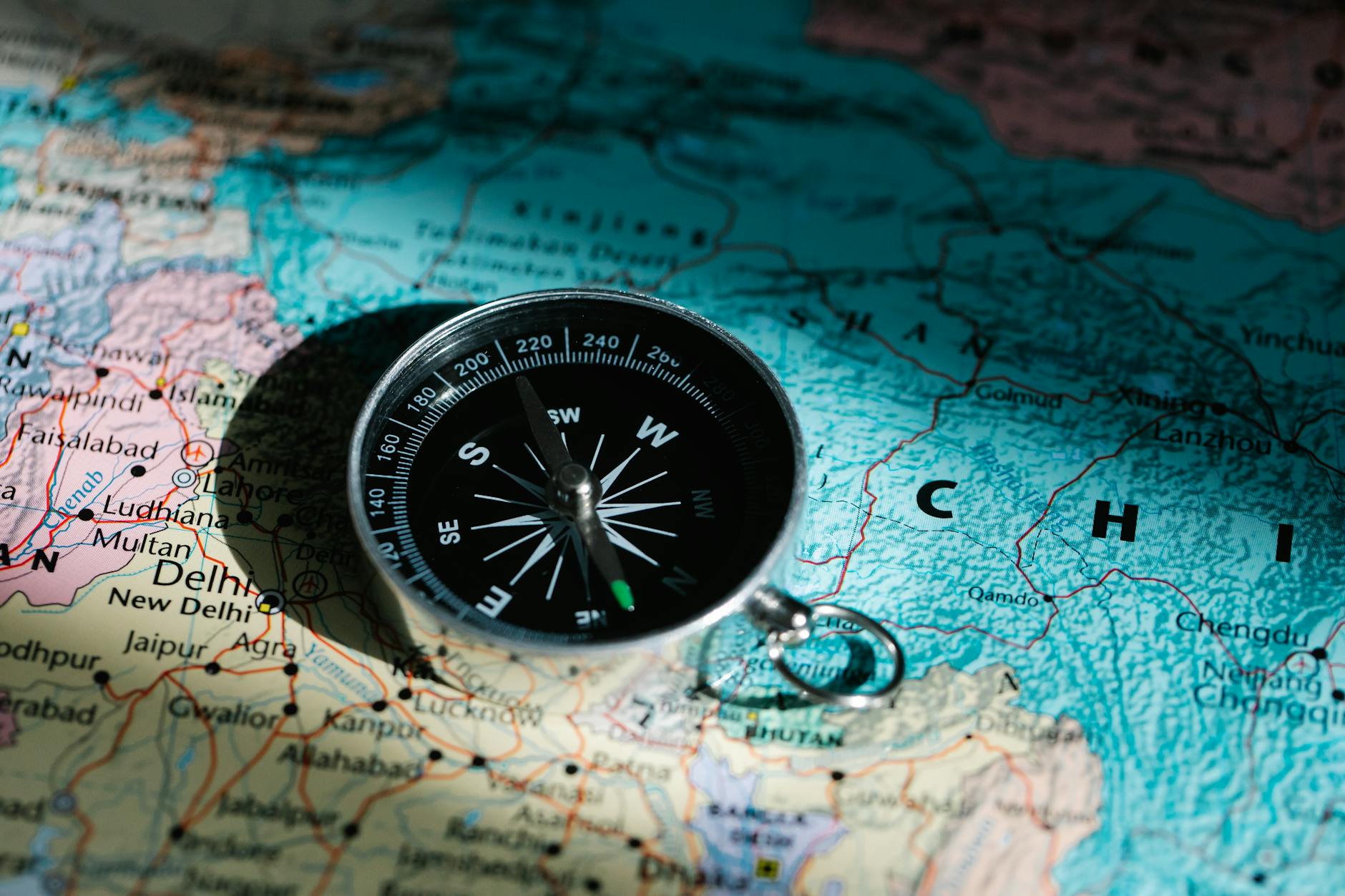
    Over a recent conversation, I found myself thinking deeply about the transformations that South Asia has undergone through the centuries—especially under the Mughals and the British. The landscape we see today, especially in regions like Pakistan and India, is in many ways shaped by these historical powers. But how do we evaluate their legacies—especially when each came with their own blend of contribution and control?

    The River That Remembers

    A recent video of flooding in Park View City, Lahore, led me to think about how rivers, in their essence, have memory. The Ravi, for instance, once had a different course, and it seems that during extreme floods, it tends to reclaim its old path. Nature doesn’t forget. When we build homes, cities, or even empires on land that was once claimed by rivers, we often ignore what was naturally there. This brings into question the very foundation of planning and urban development.

    Infrastructure: A Legacy of Empire?

    From there, my mind wandered into history—especially the British presence in South Asia. We often hear that they “looted” the region, but there’s also undeniable evidence of lasting infrastructure: railways, canals, irrigation systems, and educational structures. The irony is that while these were built to serve colonial interests, they also formed the foundation of modern Pakistan and India’s governance and economic systems.

    So I ask myself: Is it fair to view them purely as looters? Or were they, like all great empires, trying to entrench their power in a way that also built lasting systems?

    But What About the Mughals?

    Before the British, the Mughals ruled much of the subcontinent. Most people today remember them for their architecture—Taj Mahal, Lahore Fort, and other majestic structures. But they did much more than just build monuments.

    Under emperors like Akbar, they introduced formal land revenue systems and bureaucratic governance (e.g., the Mansabdari system). Roads, trade routes, and caravanserais boosted regional commerce. Though their administration wasn’t Western in structure, it was advanced in its own way, built for a different kind of society.

    Yet, we often overlook their contributions because the British system left more visible, functional traces like bridges, railway lines, and irrigation canals.

    Is It Just About What Lasted?

    It’s easy to value what we can still see and use—like a railway line or a dam. But is that the only measure of a legacy?

    Traditional Islamic madrasas, for example, were a vital part of education long before the British brought formal schooling systems. They taught religion, logic, philosophy, law, and even science. These systems were part of a lifestyle and worldview—holistic and integrated into society. Just because they didn’t follow a “Western model” doesn’t make them primitive or irrelevant.

    The British formalized education in English, for their own convenience, of course. But they also created a class of locals who were fluent in that language, shaping governance, business, and law for generations to come.

    Empire and Interest: A Universal Pattern?

    At the end of it all, I’m left thinking—every empire has extracted resources. From Rome to Britain to modern global powers, none are innocent in this regard. The British used South Asia for economic benefit, but so did local rulers in their own way. Maybe that’s just how empires work—building where it benefits them, exploiting where they can, and inadvertently leaving behind systems that outlive them.

    So perhaps the better question is not whether they helped or looted, but what we did—and continue to do—with what they left behind.


    Final Thoughts

    History is never black and white. It’s layered, complicated, and personal. Reflecting on the past helps us make sense of the present—not just to blame or glorify, but to understand.

    If you’ve ever felt the same—torn between pride in your heritage and frustration at your history—know that it’s okay. These reflections are part of the journey to make sense of where we come from, and where we go next.

  • The Heart of Innovation: Why I’m Learning Medical Diagnostics

    Photo by Anna Shvets on Pexels.com

    Why a Researcher Should Understand More Than Just Their Own Device

    As a PhD researcher working on next-generation polymeric heart valves, I spend most of my days buried in data: tensile curves, SEM images, dip-coating parameters, FTIR peaks, and cyclic loading behavior. I engineer membranes, optimize composite formulations, and test fatigue life. But recently, I’ve come to realize — all this knowledge isn’t enough.

    To truly innovate, especially in the medical device field, you have to look beyond your own bench. That’s why I’ve been taking time to understand the diagnostic and interventional procedures used in cardiovascular care, such as angiography, angioplasty, stenting, and echocardiography.

    This isn’t just intellectual curiosity. It’s about context — the clinical picture in which my device will live and (hopefully) save lives.


    From Bench to Bedside: The Clinical Gap

    Most engineering PhDs focus on materials, testing, and fabrication. But if you’re designing a heart valve — or any life-critical implant — it doesn’t exist in isolation. It enters a complex, fast-moving, clinical world.

    I realized that if I don’t understand how doctors diagnose aortic stenosis, how they visualize valve dysfunction using angiography, or how they decide between transcatheter vs surgical interventions, I can’t claim to know whether my device is truly fit for purpose.

    The doctor isn’t thinking about my fracture toughness graphs. They’re thinking about access routes, fluoroscopic visibility, deployment risks, and backup strategies if the leaflet doesn’t coapt properly.

    That gap between lab and hospital can’t be bridged by data alone. It needs insight.


    Why I’m Studying Angiography, Echocardiography & More

    So yes, I’m now brushing up on angiography — how contrast dye reveals arterial blockages, how balloon catheters dilate vessels, and when a stent becomes necessary. I’m reviewing echocardiography — how sonographers assess leaflet mobility and regurgitation severity.

    It might not be in my thesis, but it’s essential for what comes after the PhD:
    👉 Bringing my valve to clinical trials.
    👉 Supporting our startup “Syntex” as we develop regulatory dossiers.
    👉 Collaborating with interventional cardiologists.
    👉 Responding to FDA and MHRA reviewers.
    👉 Designing something that integrates, not disrupts, the clinical workflow.


    Engineering in the Real World Means Understanding the Human World

    What I’m learning is bigger than medicine. It’s about becoming a holistic innovator — one who respects the system they’re entering.

    Too often, we engineers build in a vacuum. We assume the world will adjust around our invention. It rarely does.

    When you want to build a real-world device, you need real-world empathy. That includes the people using it, the systems managing it, and the patients trusting it.


    My Advice to Other Researchers

    If you’re a researcher like me, building medical devices or anything user-facing, ask yourself:

    • Do I know how my product is currently used in the field?
    • Do I understand the pain points of clinicians, not just the performance metrics?
    • Have I ever watched a live procedure where my device might one day be deployed?
    • Am I designing with awareness — or in academic isolation?

    If not, take some time to study the systems your invention must integrate with. Read clinical case studies. Watch interventional videos. Talk to nurses, surgeons, and technicians. Attend a medical conference.

    It won’t just make you a better inventor. It’ll make your device more likely to survive the journey to market — and do what it was meant to do: help people.


    Wasif Reflects: Where Engineering Meets Meaning

    At this stage in life, I’m no longer chasing wealth or titles. I’m chasing meaningful contribution. That means being honest with myself about where I lack perspective and actively working to fill those gaps.

    Learning how the heart is imaged, diagnosed, and treated has humbled me. And it’s reminded me that innovation isn’t always about novelty — sometimes it’s about understanding what already exists, deeply and respectfully.

    Because only then can you truly build something better.


    Wasif

  • The “Term Time” Puzzle – Life as a PhD Student in the UK

    Photo by Mikhail Nilov on Pexels.com

    When you’re doing a PhD in the UK, your life doesn’t run on the neat calendar blocks of undergrad life. There’s no “September to December term” followed by a long winter break, then “January to March” with another big gap in between.

    Nope.
    For most of us, it’s research all year round.

    Recently, I had an email from Sainsbury’s (my weekend job) asking for my term dates for 2024–2025. Simple enough, right? Except… as a PhD student, I don’t really have “term dates” in the same way. My only official breaks are Christmas, Easter, and the odd bank holiday. The rest of the year, I’m “in term” even if I’m taking a short holiday, it’s something I apply for through my department, not an automatic university break.

    I explained that I’m getting a letter from my university to confirm this. But the request got me thinking… it’s funny how small admin details like this can remind you how different a PhD is from other courses.

    When people ask me, “When’s your next holiday from uni?” I almost laugh. The truth is, the research doesn’t stop experiments, writing, and deadlines don’t follow the public school calendar. If I want a break, I plan it, request it, and then go straight back to the lab or my thesis.

    It’s not a complaint — it’s just the reality. Doing a PhD is a bit like having a long-term job where the boss is your research question, and it doesn’t take days off.

    So yes, I’ll get the letter for Sainsbury’s. But deep down, I know the real “term” for me is every single day until I hand in that thesis.

  • Customer Service Matters: My Experience at Tesco Gallions Reach

    Photo by AS Photography on Pexels.com

    I’ve shopped in many places across London, from small local stores to big supermarkets. Most of the time, it’s a routine experience — you get your groceries, pay, and leave. But sometimes, it’s the little things that leave a lasting impression.

    Recently, I visited Tesco Gallions Reach and, honestly, I left feeling unwelcome.
    There was no greeting at the checkout, no “hello,” “please,” or “thank you.” Just silence, as if I was invisible. It might sound small, but these gestures matter. They set the tone for the whole shopping experience.

    To add to this, no one asked if I had a Clubcard at checkout, something that’s standard in places like Sainsbury’s. It’s not just about saving a few pounds, it’s about making customers feel like they matter enough to be reminded.

    I believe customer service isn’t just about scanning items quickly. It’s about acknowledging people. A smile, a greeting, or a polite word can make the difference between a customer who returns and one who decides to shop elsewhere.

    For me, this experience was disappointing enough that I don’t plan to shop at Gallions Reach again. As customers, we have choices and I choose to shop where I feel valued.

  • From Complexity to Clarity — My Journey Toward a Simpler, Purposeful Life

    Subscribe to continue reading

    Subscribe to get access to the rest of this post and other subscriber-only content.

  • My Digital Peace Pact: Choosing Peace Over Past

    Photo by Miray Bostancu0131 on Pexels.com

    There’s a quiet kind of pain that comes from opening an app and being pulled back into a world you’ve tried to move on from.

    You open WhatsApp and see statuses from people you once knew—some who hold beautiful memories, others who remind you of rivalry, envy, or a version of yourself you no longer want to revisit. You scroll through Facebook and see highlight reels of other people’s lives—career wins, travel, relationships, success.

    And somewhere in your heart, you feel… something heavy.

    You don’t want to compare. You don’t want to care. But your peace is disturbed anyway.


    🔁 What Social Media Was Supposed to Be

    Social media promised connection.
    But what I’ve felt, more often than not, is:

    • Disconnection from my present
    • Comparison with lives I don’t truly know
    • Regret over memories I can’t or don’t want to relive
    • A whisper of unworthiness

    I want to live my life, not keep watching someone else’s unfold like a never-ending slideshow.


    📿 What I Truly Want

    I want:

    • Silence from the past that no longer serves me
    • Freedom from subconscious competitions
    • A space where I can breathe, reflect, and move forward
    • Peace—not performance

    This is not bitterness. It’s clarity.
    This is not running away. It’s walking home to myself.


    📱 My Digital Peace Pact

    Here’s what I’m doing:

    1. Muting WhatsApp Statuses that don’t bring me peace
    2. Unfollowing people on Facebook who stir up unhealthy feelings
    3. Opening apps with intention, not out of habit
    4. Replacing noise with nourishment—Islamic reflections, writing, nature, and silence
    5. Noticing how I feel after using an app, and adjusting accordingly

    💭 My Life Is Not a Race

    We all bloom in different seasons.
    Some people may look “ahead,” but I’ve realized this: I am not behind. I’m just on my own path.

    And that path deserves presence.
    It deserves protection.
    It deserves peace.


    🌙 Final Words

    So this is my pact. My Digital Peace Pact.
    To mute the past when necessary.
    To stay present.
    And to live my life—not theirs.

  • Fasting in Dhul-Hijjah – My Journey Through Hunger, Headache, and Healing

    Photo by Sami Abdullah on Pexels.com

    “By the dawn, and by the ten nights.”
    Surah Al-Fajr, 89:1–2

    As these words echo from the Qur’an, they serve as a divine spotlight on the first ten days of Dhul-Hijjah—days honored by Allah, beloved by the Prophet ﷺ, and filled with opportunity for every seeker.

    This year, I committed to fasting all ten days leading up to Eid ul-Adha, following a Sunnah that the Prophet Muhammad ﷺ practiced and highly recommended. These days are a spiritual gift, and fasting during them is a chance to reset—not just physically, but spiritually.

    Today is my fourth fast, and already, I feel like I’ve lived through a full spectrum of challenges, both seen and unseen.


    🌑 Day One – The Sudden Silence

    I jumped in cold. No build-up, no prep, just a firm internal decision to begin fasting. As the sun rose, the reality sank in. The absence of food and water was more than a habit change—it felt like my body went into shock.

    By midday, I was feeling it: waves of hunger, dry mouth, foggy thoughts. My body was clearly asking: “Why are you doing this to me?” But my heart responded with something even stronger: “Because it’s time to return.”

    The day was difficult, but when sunset came, it felt like more than just the end of a fast—it felt like the first stone laid on a spiritual path.


    💢 Day Two – Headaches and Humility

    If the first day challenged my hunger, the second challenged my head. A dull, consistent headache followed me like a shadow all day. It may have been dehydration, or perhaps my body detoxing caffeine or sugar. Either way, it was relentless.

    But then came the water—literally. After I broke my fast, I went for a swim. Submerging in water felt like submerging into calm. The headache didn’t vanish completely, but my spirit lifted. My body was beginning to submit, and that act of surrender itself brought clarity.


    🌡 Day Three – The Heat Within

    This day was deceptive. I didn’t feel hungry. I didn’t feel thirsty. But my body was burning from the inside—as if I had a low-grade fever. I checked: no temperature. Still, the inner heat and weakness were real.

    By midday, my energy levels had dipped dangerously low. I didn’t have the strength to do much. And yet, I wasn’t afraid. There was something strangely peaceful about it. I felt like I was shedding layers—not just of physical energy, but emotional baggage too.

    This day reminded me that fasting isn’t just about managing food—it’s about managing ego. My body was no longer in control. My will, my intention, and my surrender were.


    🌤 Day Four – A Gentle Shift

    Today feels different. Not easier, but gentler. I’m not experiencing the extreme hunger or headaches of previous days. There’s a faint tension in the background, but it’s not overwhelming. Maybe it’s because I’m moving slower. Maybe it’s because my body is adapting. Or maybe my soul is finally settling into the rhythm.

    There’s a quiet strength in discomfort when it becomes familiar. The roar of hunger has faded into a whisper. And that whisper reminds me: this is working.


    🌿 What Fasting in Dhul-Hijjah Is Teaching Me

    These fasts are not just about abstaining from food and drink. They are about presence. About discipline. About remembering. They pull me out of the everyday grind and place me in a sacred space where time feels slower, thoughts feel deeper, and my heart feels more awake.

    The Prophet ﷺ said:

    “There are no days on which righteous deeds are more beloved to Allah than these ten days.”
    (Sahih al-Bukhari)

    So what could be more beautiful than spending these days in fasting, reflection, prayer, and quiet transformation?

    Through this journey, I’ve come to see fasting not as deprivation—but as liberation. Each hour without food is an hour spent tuning into the Divine. Each pang of weakness is a whisper from the soul: You’re not meant to rely on the world. Rely on Him.


    🧭 A Note to Fellow Seekers

    Photo by Pixabay on Pexels.com

    If you’re fasting these blessed ten days—or even just reflecting and reconnecting—you’re not alone. These days carry a sacred energy. They are an invitation. A doorway to renewal.

    Let us use them not just to resist food, but to resist forgetfulness. To remember who we are. Why we’re here. And Who we’re returning to.


    Are you observing the first ten days of Dhul-Hijjah? What has your experience been like—physically, emotionally, spiritually?
    Let’s share our reflections and grow together in this sacred season.