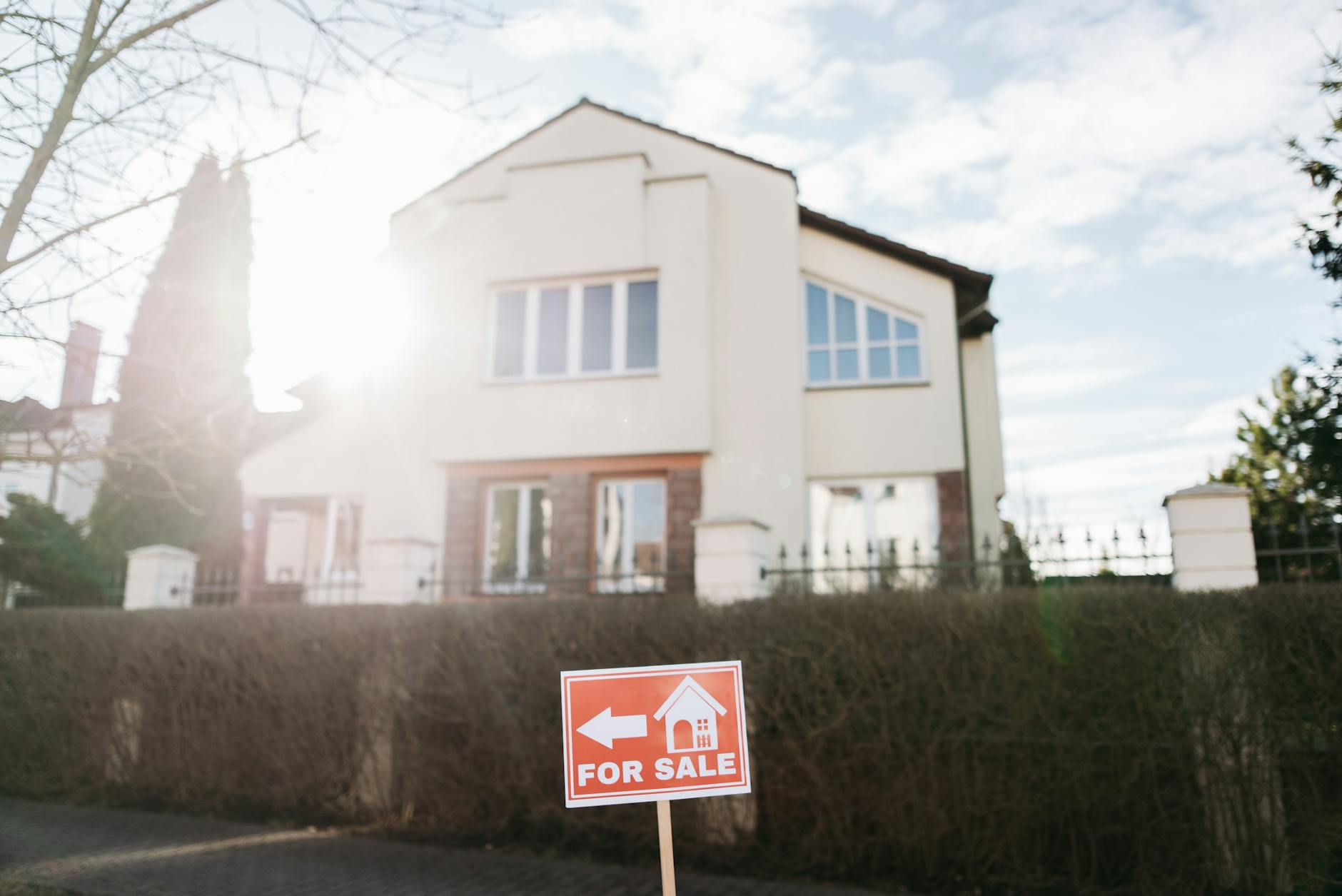
For many people, property ownership in the UK appears straightforward:
find a house, take a mortgage, pay monthly, and eventually own it.
But for anyone who takes faith seriously, that path raises questions.
As awareness about riba (interest) grows, so does the discomfort with conventional mortgages. At the same time, remaining stuck in long-term renting or living month to month does not feel like a solution either. What many people seek is not luxury — but peace of mind and stability.
This blog is a reflection on what actually exists, what does not, and what works in reality when trying to buy property in the UK in a halal and responsible way.
The Common Assumption About Islamic Banks
Islamic banks in the UK do offer Sharia-compliant home purchase plans. These are typically based on Diminishing Musharakah, a structure where:
- The bank purchases the property
- Ownership is shared
- Rent is paid on the bank’s share
- Ownership is gradually transferred
In theory, this appears to solve the problem of interest entirely.
However, there is an important reality that is often overlooked.
The Practical Limitations
Islamic banks operate under strict regulatory and risk frameworks. As a result, they usually require:
- A large deposit (often 20–30%)
- Stable and provable income
- Properties above certain value thresholds
- Clean and detailed documentation
For buyers with modest savings, particularly those starting with amounts such as £20,000, London and nearby suburban properties are generally not viable under this model. This is not exclusion — it is simply how risk is managed.
Islamic banks are halal, but they are not designed for low-capital entry.
The Core Truth About Halal Property Ownership
One lesson becomes clear very quickly:
Halal property ownership is slower, but structurally stronger.
Avoiding riba requires accepting trade-offs. In practice, this means choosing one or more of the following:
- Waiting longer
- Buying smaller
- Partnering transparently
- Using interest-free personal arrangements instead of banks
There are no shortcuts without compromise.
A Realistic Halal Path Forward
For many families, the most workable halal approach looks like this:
1. Start With Available Capital
- Savings are clearly ring-fenced for property
- Funds are held securely in mainstream UK banking institutions
- No speculative use of the money
2. Use Interest-Free Personal Support Where Necessary
- Small, manageable amounts
- Clear repayment terms
- Written agreements
- No profit expectations
This method has strong precedent in Islamic financial ethics.
3. Buy Modestly and Rationally
- Prioritise ownership over location prestige
- Focus on areas where cash buyers are realistic
- Avoid emotional decisions
Peace of mind is more valuable than a postcode.
4. Upgrade Later, Not First
- A small halal asset builds confidence
- Capital is preserved
- Future options remain open
More structured Islamic finance becomes feasible later, once capital and stability improve.
Why This Approach Matters
This path:
- Avoids riba entirely
- Avoids lifelong debt pressure
- Preserves autonomy
- Aligns finances with faith
It may not be fast.
It may not look impressive.
But it allows people to move forward without anxiety.
And that matters.
Final Thought
Modern systems encourage speed:
- Buy quickly
- Borrow heavily
- Upgrade constantly
Faith encourages patience.
If halal wealth grows more slowly, it often does so without destroying families, relationships, or mental peace.
Sometimes, owning less — cleanly — is the wiser choice.
 Wasifreflects