Tag: religion

  • Buying a Property the Halal Way in the UK: A Reality Check

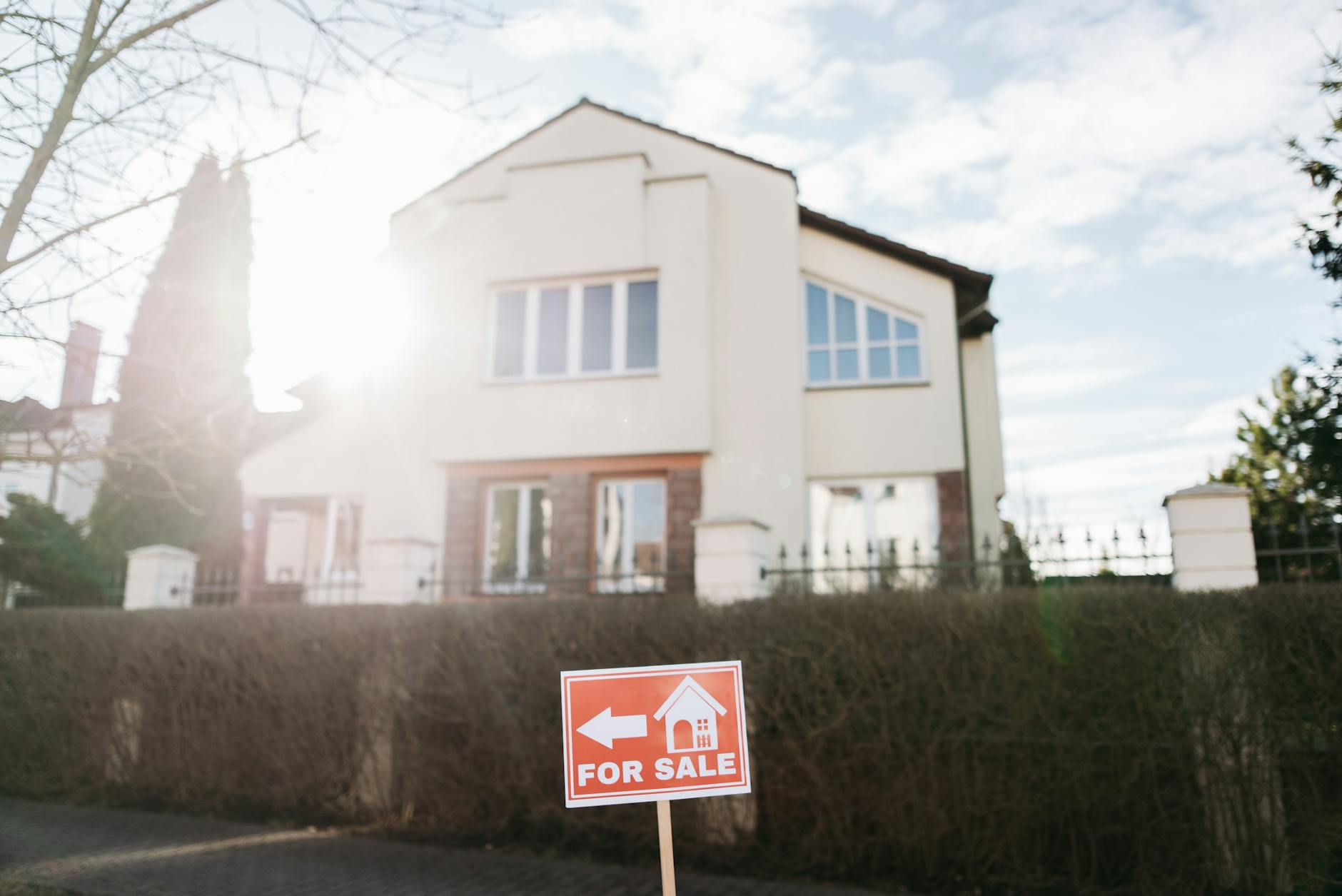
    Photo by Pavel Danilyuk on Pexels.com

    For many people, property ownership in the UK appears straightforward:
    find a house, take a mortgage, pay monthly, and eventually own it.

    But for anyone who takes faith seriously, that path raises questions.

    As awareness about riba (interest) grows, so does the discomfort with conventional mortgages. At the same time, remaining stuck in long-term renting or living month to month does not feel like a solution either. What many people seek is not luxury — but peace of mind and stability.

    This blog is a reflection on what actually exists, what does not, and what works in reality when trying to buy property in the UK in a halal and responsible way.


    The Common Assumption About Islamic Banks

    Islamic banks in the UK do offer Sharia-compliant home purchase plans. These are typically based on Diminishing Musharakah, a structure where:

    • The bank purchases the property
    • Ownership is shared
    • Rent is paid on the bank’s share
    • Ownership is gradually transferred

    In theory, this appears to solve the problem of interest entirely.

    However, there is an important reality that is often overlooked.


    The Practical Limitations

    Islamic banks operate under strict regulatory and risk frameworks. As a result, they usually require:

    • A large deposit (often 20–30%)
    • Stable and provable income
    • Properties above certain value thresholds
    • Clean and detailed documentation

    For buyers with modest savings, particularly those starting with amounts such as £20,000, London and nearby suburban properties are generally not viable under this model. This is not exclusion — it is simply how risk is managed.

    Islamic banks are halal, but they are not designed for low-capital entry.


    The Core Truth About Halal Property Ownership

    One lesson becomes clear very quickly:

    Halal property ownership is slower, but structurally stronger.

    Avoiding riba requires accepting trade-offs. In practice, this means choosing one or more of the following:

    • Waiting longer
    • Buying smaller
    • Partnering transparently
    • Using interest-free personal arrangements instead of banks

    There are no shortcuts without compromise.


    A Realistic Halal Path Forward

    For many families, the most workable halal approach looks like this:

    1. Start With Available Capital

    • Savings are clearly ring-fenced for property
    • Funds are held securely in mainstream UK banking institutions
    • No speculative use of the money

    2. Use Interest-Free Personal Support Where Necessary

    • Small, manageable amounts
    • Clear repayment terms
    • Written agreements
    • No profit expectations

    This method has strong precedent in Islamic financial ethics.

    3. Buy Modestly and Rationally

    • Prioritise ownership over location prestige
    • Focus on areas where cash buyers are realistic
    • Avoid emotional decisions

    Peace of mind is more valuable than a postcode.

    4. Upgrade Later, Not First

    • A small halal asset builds confidence
    • Capital is preserved
    • Future options remain open

    More structured Islamic finance becomes feasible later, once capital and stability improve.


    Why This Approach Matters

    This path:

    • Avoids riba entirely
    • Avoids lifelong debt pressure
    • Preserves autonomy
    • Aligns finances with faith

    It may not be fast.
    It may not look impressive.
    But it allows people to move forward without anxiety.

    And that matters.


    Final Thought

    Modern systems encourage speed:

    • Buy quickly
    • Borrow heavily
    • Upgrade constantly

    Faith encourages patience.

    If halal wealth grows more slowly, it often does so without destroying families, relationships, or mental peace.

    Sometimes, owning less — cleanly — is the wiser choice.
  • The Rise and Fall of Rome: Lessons for Modern Empires


    🌍 The Empire That Built the World

    The story of Rome is one of the most extraordinary journeys in human history — a small settlement in Italy that became the most powerful empire the world had ever seen.
    It built roads that still exist, wrote laws that inspired modern justice, and designed cities that remain models for urban life today.

    But like all great civilizations, Rome’s glory was not eternal. It fell not with a single battle, but through slow decay — weakened by corruption, overexpansion, and moral decline.


    ⚖️ Rome Before Islam

    By 476 AD, the Western Roman Empire had already collapsed. Yet its twin — the Eastern Roman Empire, also called the Byzantine Empire — lived on from its capital Constantinople (modern-day Istanbul).
    It continued Roman traditions for another thousand years, ruling lands that stretched from Greece to Egypt.

    So when Islam emerged in 610 AD, the Byzantines were still a global superpower.


    ⚔️ The Rise of Islam and the Clash with Rome

    When the Prophet Muhammad (peace be upon him) began spreading the message of Islam, two empires dominated the known world: the Romans (Byzantines) in the west, and the Persians in the east.

    After the Prophet’s passing, the early Muslim leaders — the Rashidun Caliphs — led with faith, unity, and justice. Within a few decades, their armies met the Romans in open battle.

    Major Turning Points:

    EventYearWhat Happened
    Battle of Yarmouk636 ADMuslims under Khalid ibn al-Walid (RA) defeated the Byzantines, gaining control over Syria and Palestine.
    Conquest of Egypt639–642 ADLed by Amr ibn al-As (RA), the Muslims took Egypt from Roman rule.
    North African Campaigns647–698 ADThe Muslims gradually took Libya, Tunisia, and the rest of North Africa.

    The Muslims didn’t destroy Rome — they succeeded it. They inherited the lands that the empire could no longer hold together.


    🏰 The Last Chapter — Fall of Constantinople

    The Eastern Roman (Byzantine) Empire survived for centuries longer, but it was finally brought to an end in 1453 AD.
    Sultan Mehmed II, known as Mehmed the Conqueror, led the Ottoman Muslims in capturing Constantinople after a 53-day siege.

    That moment ended over 2,200 years of Roman history — from the founding of Rome in 753 BC to the rise of Istanbul under Islam.


    💭 The Lesson of Two Civilizations

    The fall of Rome and the rise of Islam teach us a timeless truth:

    “Empires rise through discipline and justice — they fall through arrogance and moral decay.”

    Rome had everything the modern world has — advanced technology, comfort, and wealth — yet it lost its spiritual purpose.
    Islam, at its dawn, brought faith, equality, and unity — values that reshaped the world for centuries.


    ✨ Closing Reflection

    History doesn’t repeat itself — but it rhymes.
    The same forces that built and broke Rome — power, wealth, pride — still move our world today.
    Perhaps, like the Romans, we too must learn to balance progress with purpose.