
Tag: travel

  • Master’s in the UK: You Paid £4,000… Now How Do You Earn the Remaining £16,000 Safely?

    Photo by cottonbro studio on Pexels.com

    Many international students arrive in the UK for a Master’s degree full of hope and pressure at the same time.

    The reality can hit fast:

    • You’ve already paid £4,000.
    • The university still wants the remaining £16,000.
    • You’re thinking: “I’ll work and pay it from my earnings.”

    This can be possible — but only if you treat it as a cashflow + compliance plan, not a stress-driven hustle.

    Because the biggest danger is not only “running out of money”…
    The biggest danger is making a mistake that affects your studies, health, or visa compliance.

    Let’s break it down properly.

    1) Start With the Rules (Don’t Guess)

    Most students on a UK Student visa are allowed:

    • Up to 20 hours/week during term time
    • Full-time during official vacations

    But don’t run on assumptions. Always confirm from:

    • your visa conditions (decision letter/BRP)
    • your university’s guidance

    One mistake with work hours can create serious trouble. So the first rule is simple:

    Protect your status first. Money comes second.

    2) Speak to the University Finance Office Immediately

    Students often delay this step out of fear or shame. Don’t.

    Universities commonly offer:

    • Instalment plans (monthly or termly)
    • restructured deadlines
    • clear guidance on what happens if payments are late

    If you get an instalment plan, you replace panic with structure.

    Instead of “£16,000 at once”, it becomes “£X per month”.

    That change alone reduces mental pressure.

    3) Do a Reality Check With Term-Time Income

    Here’s why many students struggle:

    Even if you work the maximum allowed hours in term time, your earnings are limited.

    Example:

    • £12/hour × 20 hours/week = £240/week gross
    • Monthly gross ≈ £1,040
    • Take-home might be around £900–£1,000/month (rough estimate)

    From that, you still need rent, food, travel, phone, and daily life.

    So the truth is:

    Term-time part-time work usually cannot cover £16,000 tuition by itself.

    That’s why you need the next strategy.

    4) The Most Practical Strategy: “Stable Term-Time + Heavy Vacation Work”

    A student who succeeds usually does this:

    During term time:

    • keep one stable, flexible job
    • protect study time
    • pay living costs + a smaller fixed tuition instalment

    During vacations:

    • work full-time (if allowed)
    • take overtime
    • target large tuition chunks

    In short:

    Term time is for survival and stability. Vacation is for tuition progress.

    5) Increase Your Hourly Rate Without Risk

    Instead of chasing random side hustles, increase income in safe ways:

    • warehouse roles with overtime
    • night shifts (often higher pay)
    • campus jobs (flexible and close)
    • care/support work (can pay better, but demanding)
    • driving/delivery only if you properly calculate insurance + fuel costs

    A small increase in hourly rate makes a big difference over months.

    6) Reduce Costs Like a Professional (This Is Half the Game)

    If your goal is to “save tuition,” controlling expenses is as important as earning.

    A student who wants to pay fees should usually avoid:

    • living alone in a studio
    • eating out daily
    • unnecessary subscriptions
    • Klarna/credit traps

    Practical moves:

    • share accommodation
    • cook most meals
    • keep spending “boring”
    • set weekly auto-transfer into a tuition savings pot

    You are not here to “enjoy luxury.”
    You are here to complete a degree without sinking into debt and stress.

    7) Use Support Options That Students Often Ignore

    Many students never ask for help because they assume “it won’t work.”

    But it’s worth checking:

    • university hardship funds / bursaries (varies by uni)
    • departmental support schemes
    • fee discounts (rare but possible)
    • payment deadline adjustments

    Even a small relief can buy breathing space.

    8) A Simple Plan That Actually Works

    A workable model looks like this:

    • Pay a manageable amount monthly during term (for example £300–£500/month if your budget allows)
    • In each vacation period, aim to pay a bigger chunk (for example £2,000–£4,000 depending on work and overtime)
    • Keep study protected and avoid visa breaches

    This turns a scary number into a step-by-step path.

    Final Thought: The Goal Is Not Just Paying the Fee

    The goal is:

    • finish your Master’s
    • protect your health
    • protect your visa
    • build a future pathway

    A student who destroys their grades, breaks rules, or burns out — even if they paid the fee — loses the bigger prize.

    So be structured.
    Be disciplined.
    And treat your Master’s year like a serious project.

    Because it is.
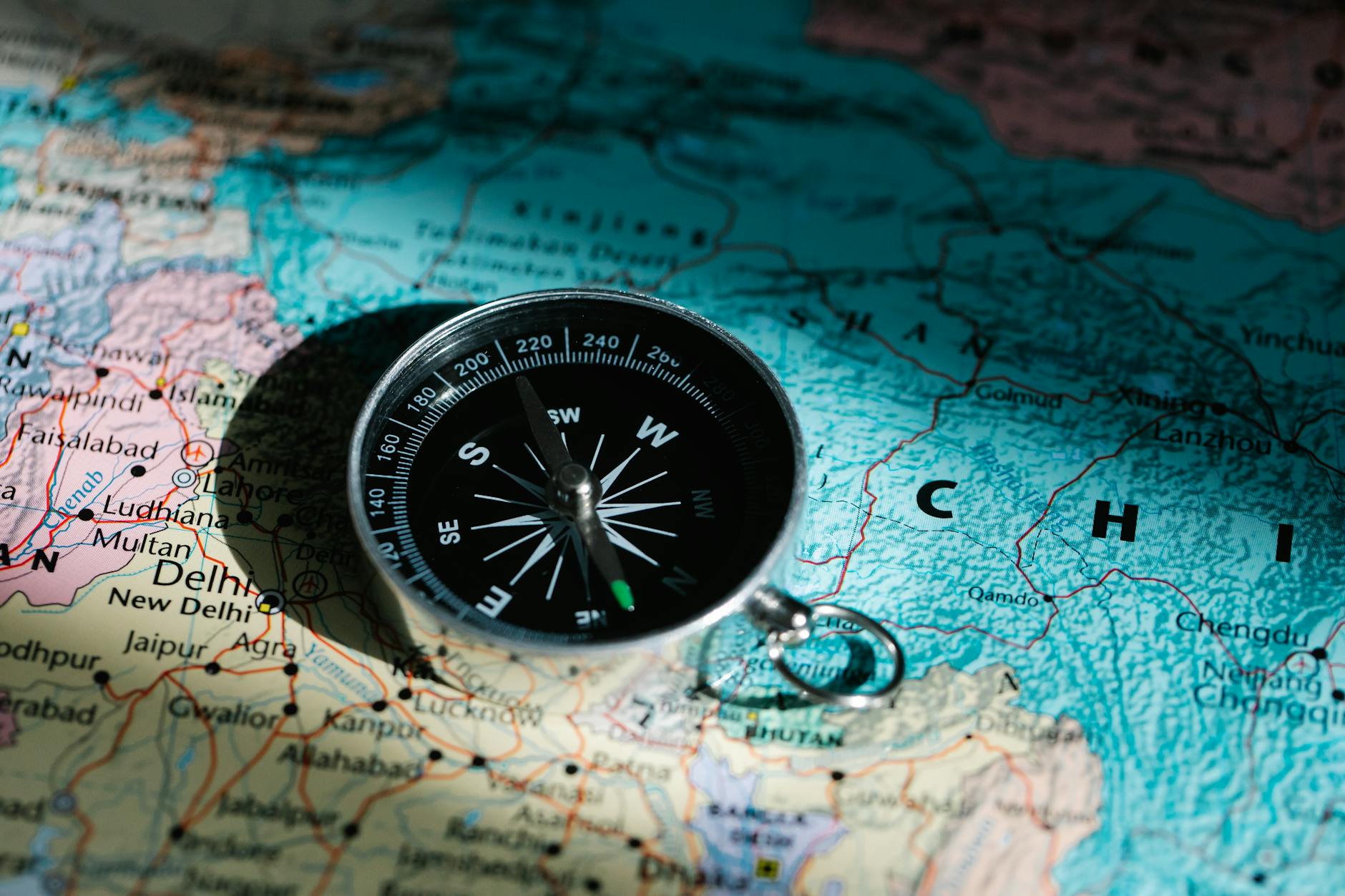
  • Reflecting on the Layers of Empire: Mughals, the British, and the Subcontinent’s Complex Legacy

    Photo by Lara Jameson on Pexels.com

    Over a recent conversation, I found myself thinking deeply about the transformations that South Asia has undergone through the centuries—especially under the Mughals and the British. The landscape we see today, especially in regions like Pakistan and India, is in many ways shaped by these historical powers. But how do we evaluate their legacies—especially when each came with their own blend of contribution and control?

    The River That Remembers

    A recent video of flooding in Park View City, Lahore, led me to think about how rivers, in their essence, have memory. The Ravi, for instance, once had a different course, and it seems that during extreme floods, it tends to reclaim its old path. Nature doesn’t forget. When we build homes, cities, or even empires on land that was once claimed by rivers, we often ignore what was naturally there. This brings into question the very foundation of planning and urban development.

    Infrastructure: A Legacy of Empire?

    From there, my mind wandered into history—especially the British presence in South Asia. We often hear that they “looted” the region, but there’s also undeniable evidence of lasting infrastructure: railways, canals, irrigation systems, and educational structures. The irony is that while these were built to serve colonial interests, they also formed the foundation of modern Pakistan and India’s governance and economic systems.

    So I ask myself: Is it fair to view them purely as looters? Or were they, like all great empires, trying to entrench their power in a way that also built lasting systems?

    But What About the Mughals?

    Before the British, the Mughals ruled much of the subcontinent. Most people today remember them for their architecture—Taj Mahal, Lahore Fort, and other majestic structures. But they did much more than just build monuments.

    Under emperors like Akbar, they introduced formal land revenue systems and bureaucratic governance (e.g., the Mansabdari system). Roads, trade routes, and caravanserais boosted regional commerce. Though their administration wasn’t Western in structure, it was advanced in its own way, built for a different kind of society.

    Yet, we often overlook their contributions because the British system left more visible, functional traces like bridges, railway lines, and irrigation canals.

    Is It Just About What Lasted?

    It’s easy to value what we can still see and use—like a railway line or a dam. But is that the only measure of a legacy?

    Traditional Islamic madrasas, for example, were a vital part of education long before the British brought formal schooling systems. They taught religion, logic, philosophy, law, and even science. These systems were part of a lifestyle and worldview—holistic and integrated into society. Just because they didn’t follow a “Western model” doesn’t make them primitive or irrelevant.

    The British formalized education in English, for their own convenience, of course. But they also created a class of locals who were fluent in that language, shaping governance, business, and law for generations to come.

    Empire and Interest: A Universal Pattern?

    At the end of it all, I’m left thinking—every empire has extracted resources. From Rome to Britain to modern global powers, none are innocent in this regard. The British used South Asia for economic benefit, but so did local rulers in their own way. Maybe that’s just how empires work—building where it benefits them, exploiting where they can, and inadvertently leaving behind systems that outlive them.

    So perhaps the better question is not whether they helped or looted, but what we did—and continue to do—with what they left behind.


    Final Thoughts

    History is never black and white. It’s layered, complicated, and personal. Reflecting on the past helps us make sense of the present—not just to blame or glorify, but to understand.

    If you’ve ever felt the same—torn between pride in your heritage and frustration at your history—know that it’s okay. These reflections are part of the journey to make sense of where we come from, and where we go next.